Yar Mail #67: The Data Center Photographer
This article was originally published in Yar Mail. Below, you’ll find an abbreviated version of the original newsletter.
Sign-up here to read future editions.
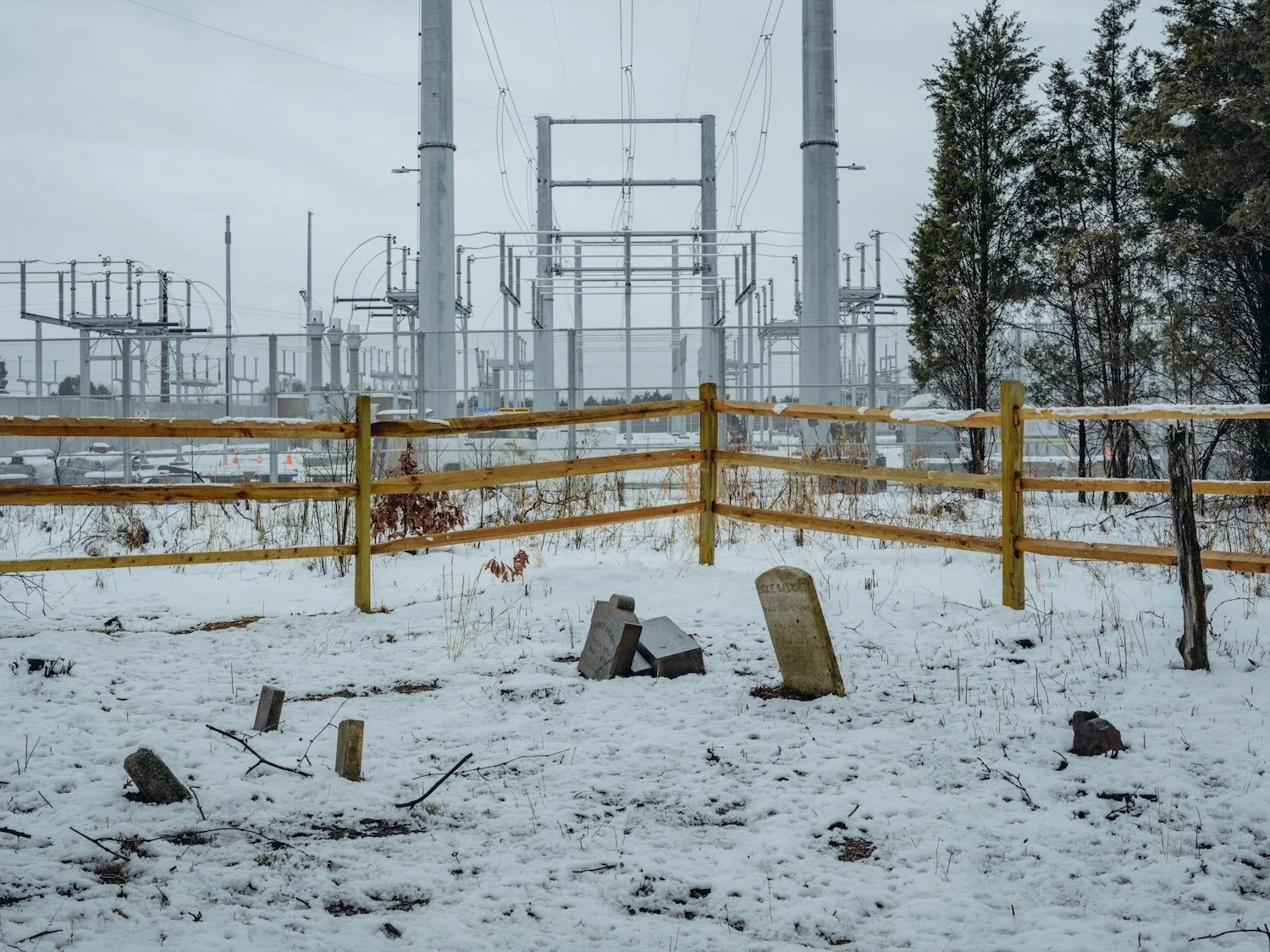
All images are courtesy of Stephen Voss
For today’s Black Friday newsletter, I spoke with photographer Stephen Voss about his new book project, Every Past and Tomorrow: The Physical Landscape of AI.
If you’ve been even mildly awake this year, you’ve probably noticed the growing backlash against the expansion of data centers across the country. People are angry about pollution, noise, water consumption, and a host of other issues. Opposition to data centers likely cost Republicans the midterms earlier this month. And it’s not just a U.S. problem. Data centers are a global issue, straining water resources and pissing off communities.
Voss first pitched me an early version of his project on data centers around Northern Virginia when I was at Rest of World. It wasn't quite the right fit for the publication, but the work was unique, and it stuck with me. Fast-forward to this year, and Voss has published an expansive series with The Verge and then launched a Kickstarter campaign for a new photobook, Every Past and Tomorrow: The Physical Landscape of AI.
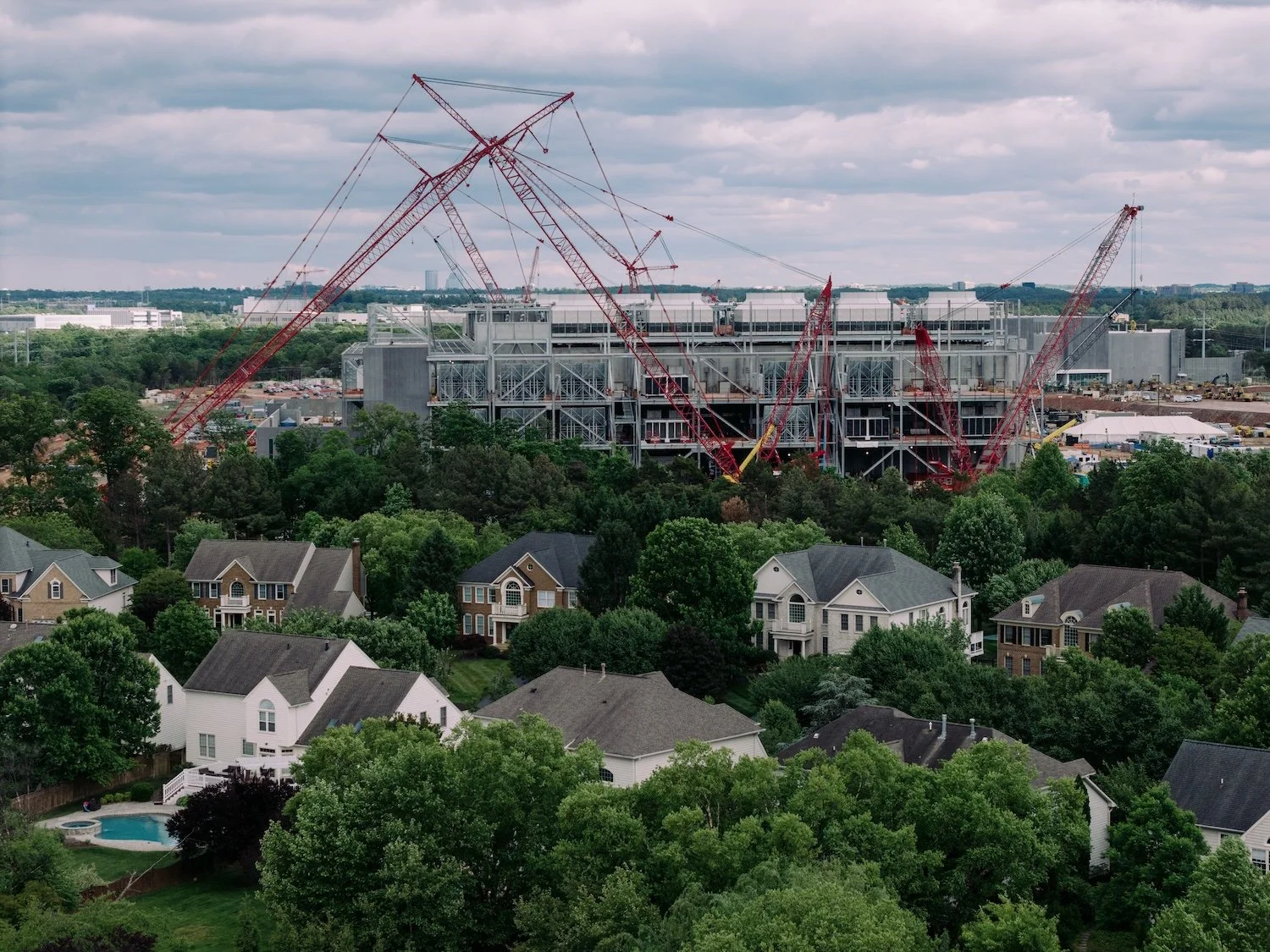
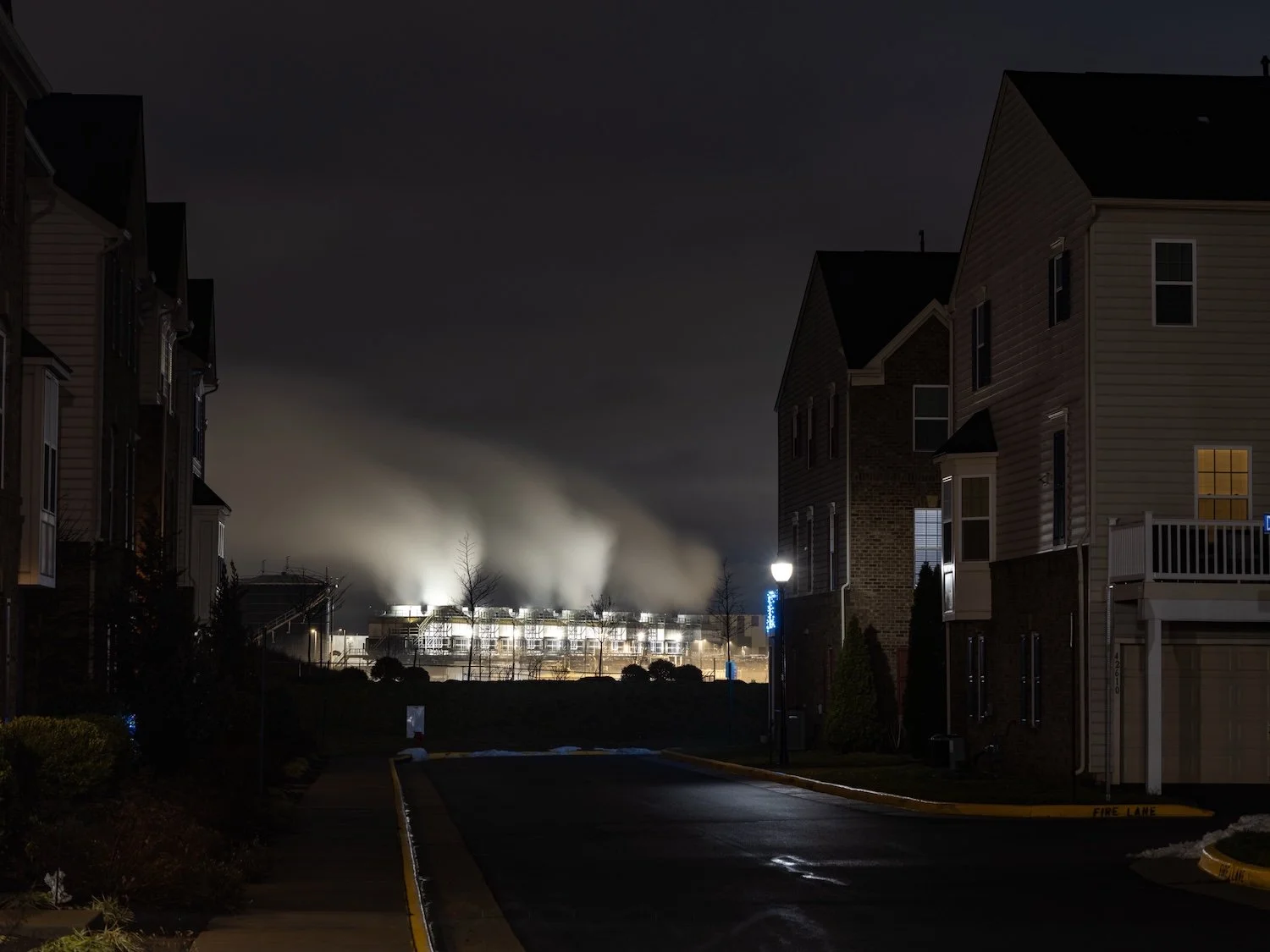
Voss’s images of data centers are quiet and haunting. He often juxtaposes the facilities with the environments surrounding them. A graveyard here. Worn-down housing there. Suburbs in the midst of rapid transformation, with construction cranes rising just beyond the treeline. Looking at his photographs, you can imagine it happening in your own backyard. Maybe it already is. Maybe it will soon.
Plenty of photographers have made images of data centers, but Voss has officially lodged himself in my head as the data center photographer. At the time of writing, his book is still a few thousand dollars short of its funding goal. Head over and support it.
The interview below was edited for clarity and conducted over email.
You've been working on this project for quite a while now. When did you get started, and what first interested you in data centers?
In 2023, I was driving back to D.C. from a photo shoot in Virginia when I saw my first data center. I was vaguely aware of their existence but had no idea how massive they were, how completely out of scale with what was around them. I understood on some level that when your data is in "The Cloud" that it has an actual physical location, but like most people, I had never given much thought to what that place actually looked like.
Did you come across anything especially interesting while working on this?
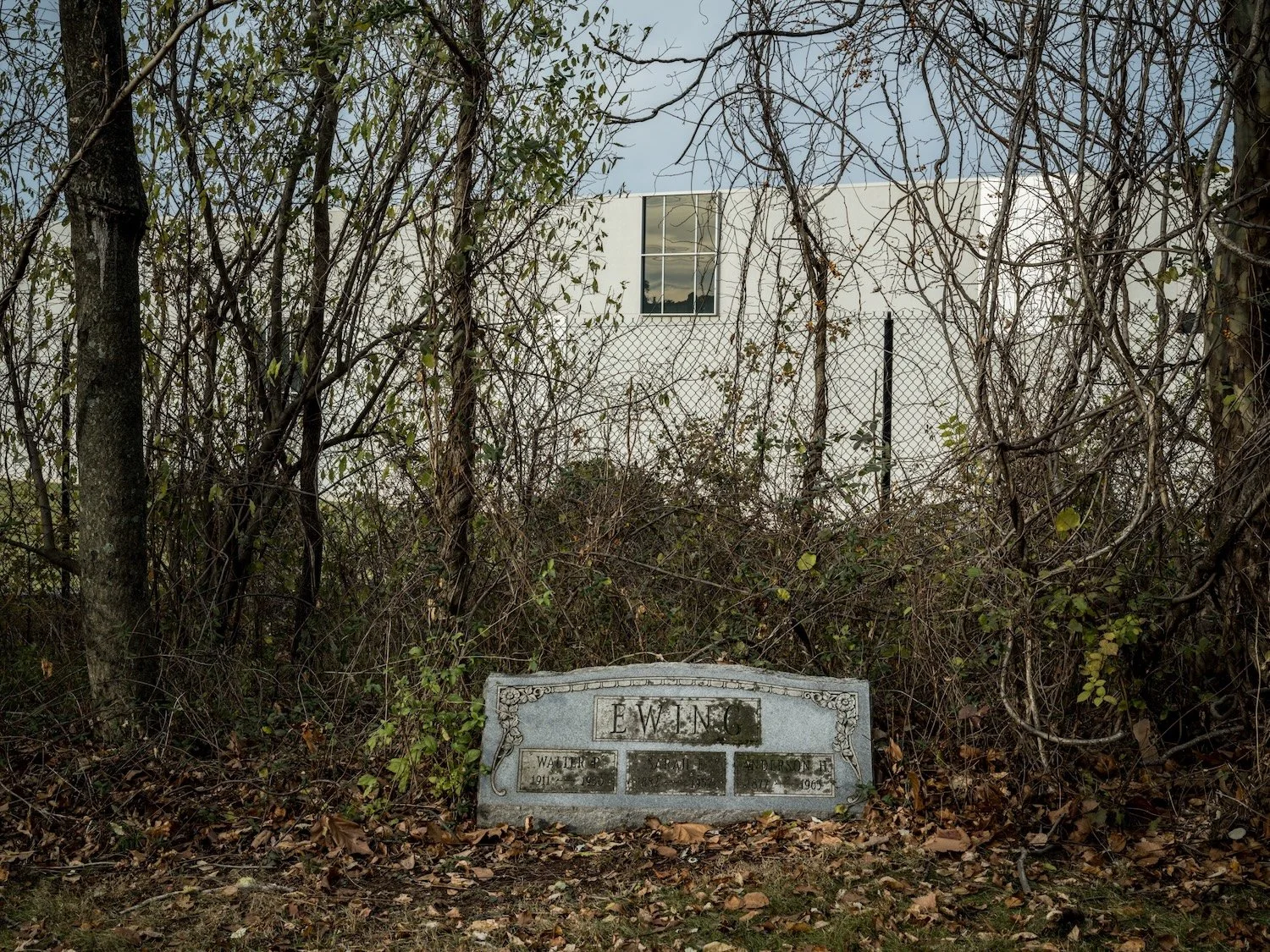
One day, I was walking the perimeter of a data center construction site. It was thick, thorny brush and tough going, but I was looking for a way in, to get closer to the site. In the midst of this overgrown field, behind an auto body shop, I stumbled across a small cemetery with gravestones dating back to the 1800s. It wasn't on any map that I could find, but the discovery was emblematic of many of my experiences in Virginia—that to explore anywhere here is to be confronted with history. I've visited that site maybe half a dozen times since, as the data center, built on an old brickyard, slowly rose above the gravestones, becoming the dominant feature in the landscape.
There has been backlash against data centers for a while now, both in the U.S. and abroad, but public and media attention seems to have increased lately. Did something change?
Data centers are a very literal symbol of big tech. I think some of the pushback comes from the unease that people feel about AI companies telling you that their technology may destroy humanity, but also is great for helping your kids understand long division. What are you supposed to do with that? I don't think we should overlook the aesthetics of these places either. As a photographer, I'm maybe thinking about the visual impact of them more than the average person, but I wouldn't discount the sheer psychic weight of having one of thesebuildings visible from your back porch, or just over the outfield fence where your kid plays baseball.
There are few people in your photos of these sites, but I imagine you met people when out photographing. What did you hear from them?
People are angry, and many feel powerless. I've heard so many stories from people that they bought a home to raise their family in, or retire in, with farmland or forest nearby. One day, the bulldozers showed up and began clearing the area, and a couple of years later, there was a 500,000-square-foot data center in its place. People feel trapped - even if they want to move, it's difficult to sell a home that's near a data center. The data center boom is happening across the country, so why Virginia? I think the future arrived a little early in Northern Virginia, and what happened here is instructive for understanding what may be coming to other communities. This area has the highest concentration of data centers in the world. To tell a really huge story like this, I think it's sometimes useful to go small—to let what's happening in this one place speak to the larger issue. I'm also interested in what’s revealed when you return to a place again and again—that specificity and local knowledge gives texture to the story.
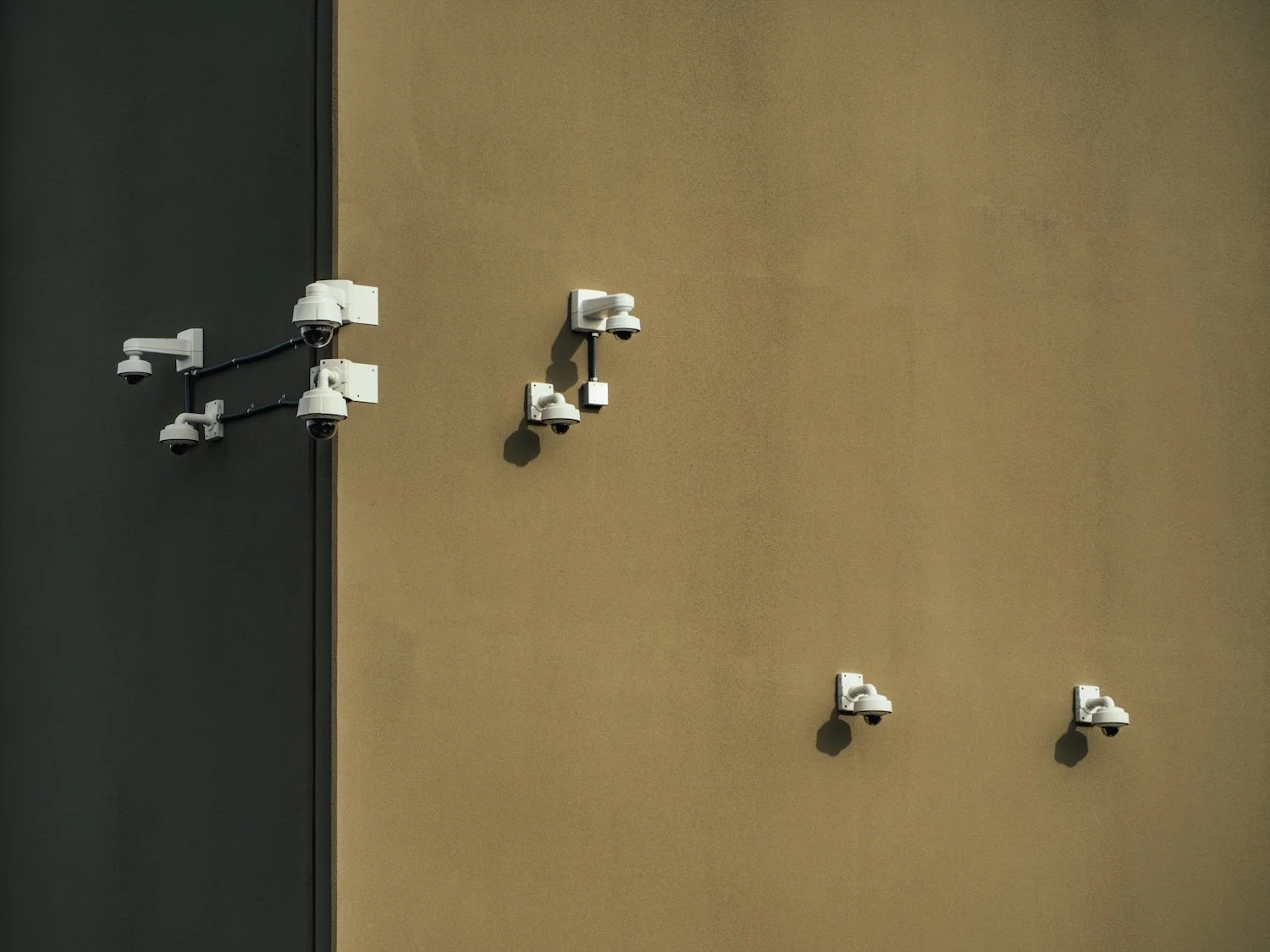
I find data centers to be among the most architecturally boring structures, and I shudder at the thought of trying to find unique ways to photograph them over a long period of time. But your images are interesting, most especially because of how you approached capturing them—not just the buildings, but their shared environment. How did you approach photographing these structures in a way that felt fresh and unique over such a long period of time?
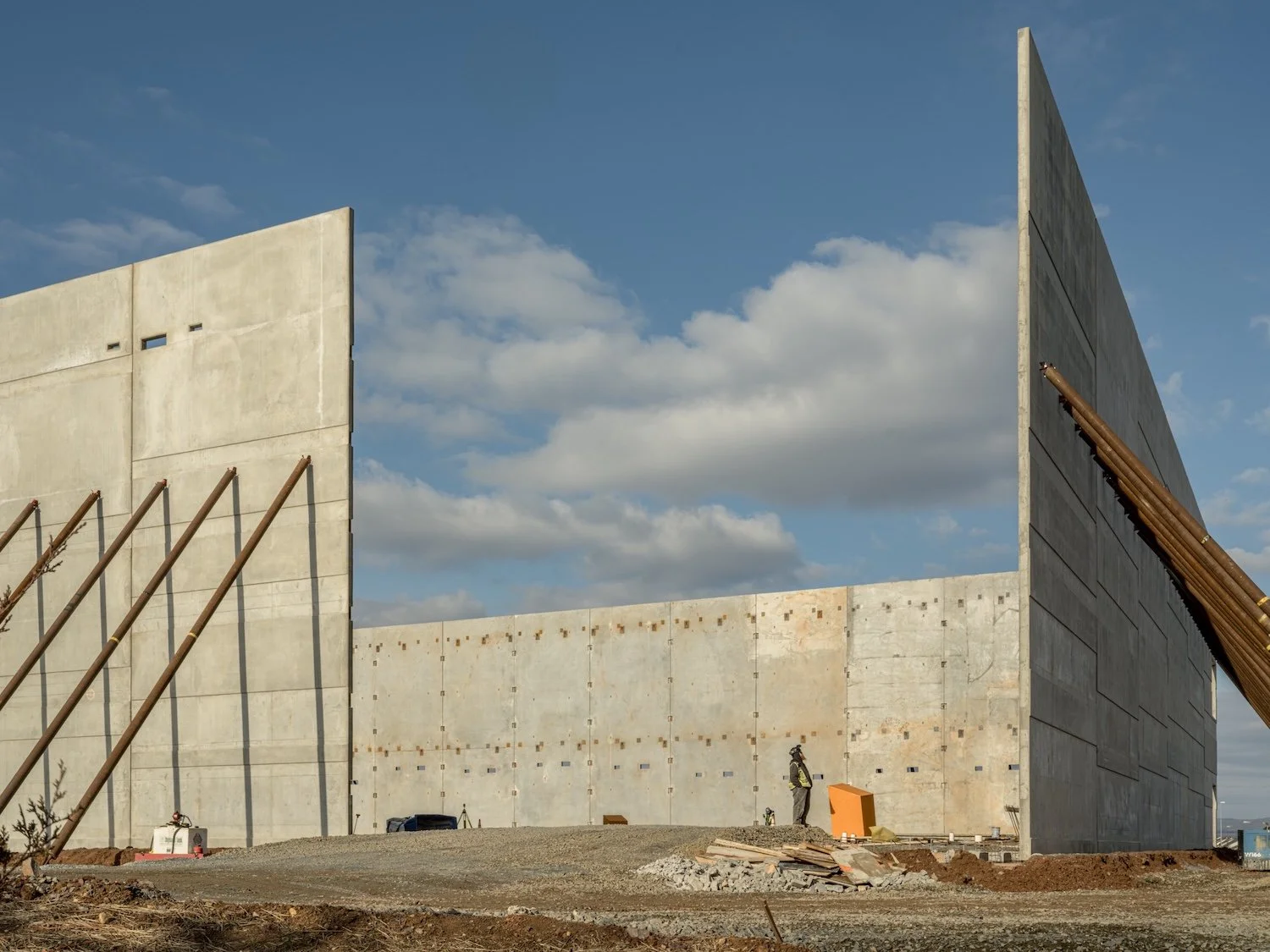
Agreed, a top 5 most boring photo subject. Despite all the preparation and research I do for these shoots, there is nothing better than spending hours in the car driving around, looking for cut-throughs, or interesting vantage points. Google Street View and satellite imagery are rarely up to date with the reality on the ground, so the only way to really know what's out there is to go and see it. I eventually realized that the most interesting thing about these buildings wasn't necessarily the buildings themselves, but what was around them. The contrast between these enormous, windowless structures and the ordinary places people live their lives became much more interesting to me than the architecture itself.
What's something you think people might misunderstand or be unaware of about these projects?
This may sound counterintuitive, but data centers can be hard to find—especially ones that are under construction. There's no central directory of them, so I go through the transcripts from council meetings, look at public filings and scan local Facebook groups to track construction as it happens. For all of the large corporations and billions of dollars behind these buildings, it’s remarkable how much effort it can take to find out where they’re being built or what company is behind them.
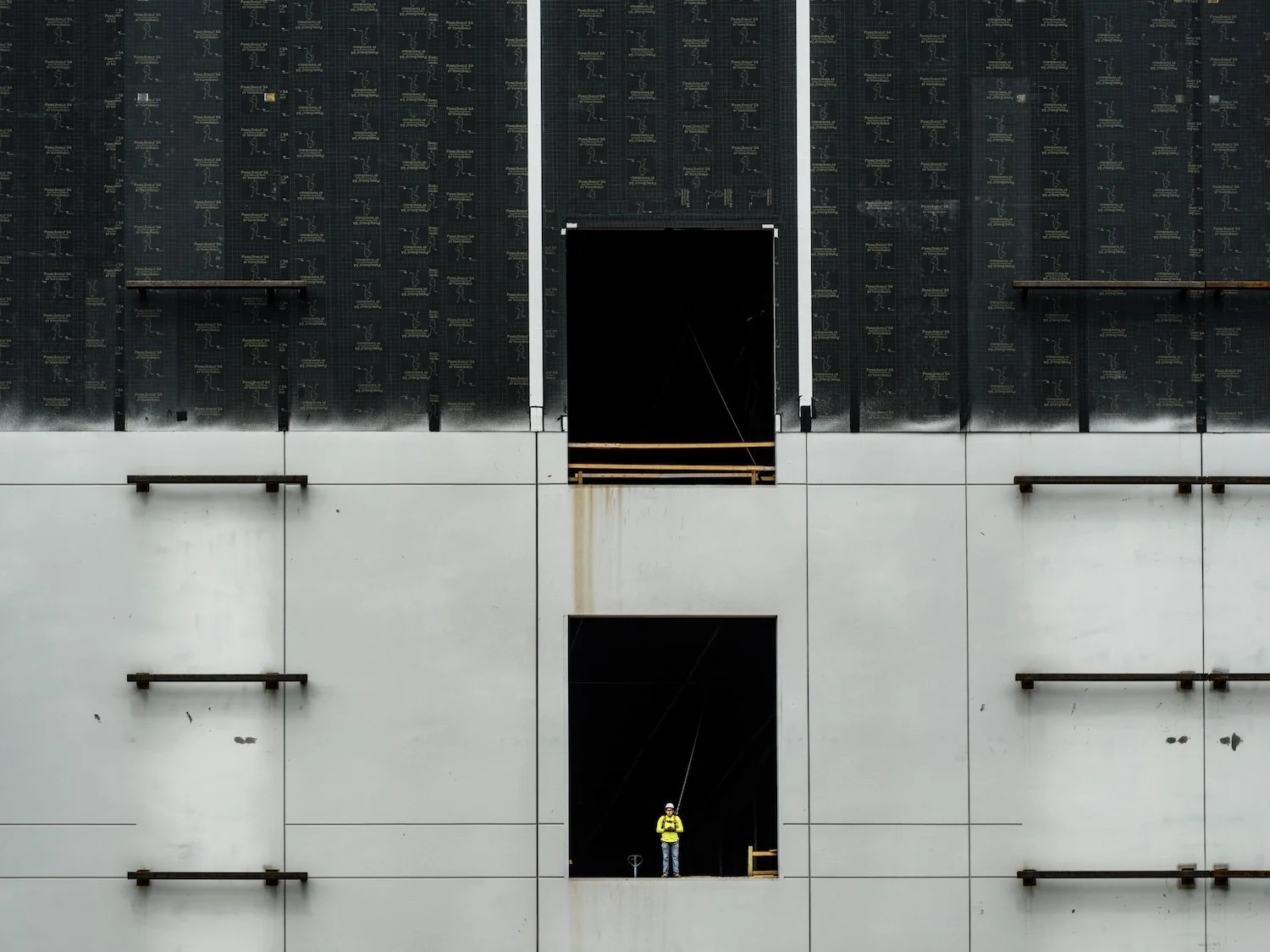
You spend a lot of time photographing the rich and powerful in D.C., but this landscape-focused project is very different. Is there a throughline in this project connecting it to your daily work or was this a creative side project?
I always try to have a side project going as a balance to the political work. Those portraits can be exciting and challenging, and I do like working at that pace for short, intense periods of time. But my real love of photography comes from working slowly, taking long looks at what's in front of me and just sitting with a scene for a while. I use these personal projects, like the data centers, to return to that way of working and recenter myself. They're also good opportunities to take some risks and try out some ideas before deciding if they're good or not. When I started photographing the data centers, I had no idea that two years later, I'd be driving out to them at night and projecting words onto their walls. That idea emerged from the many hours spent photographing these buildings, thinking about them, and trying to understand my own complicated feelings about what they represent.
Sign-up here to read future editions of Yar Mail. Always free.